What Freedom Forever Reviews Reveal About Load Prioritization at Home
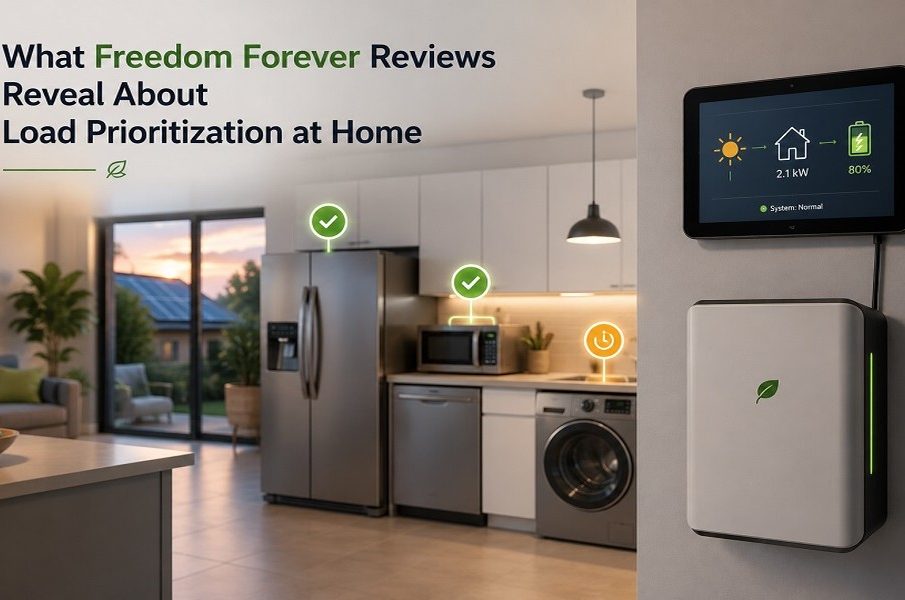
Home energy resilience increasingly depends on how systems manage available power rather than on generation alone. As smart solar homes continue to evolve, households rely on software-driven coordination to support stability during periods of increased demand or variable conditions. Freedom Forever Reviews reflect this shift as modern energy systems focus on prioritizing critical loads to support continuity and balance across the home.
Changes in grid conditions, production variability, or localized interruptions highlight the importance of directing energy where it matters most. Load prioritization places these decisions within the system itself, allowing homes to remain functional and composed when conditions require thoughtful energy management.
Load Prioritization Supports Resilient Operation
Load prioritization refers to how an energy system determines which devices receive power when conditions call for measured distribution. Rather than treating all devices equally, systems assign importance based on predefined categories. Essential devices receive priority, while nonessential loads adjust as needed.
This structure helps homes maintain core functionality. Refrigeration, lighting, and communication devices continue operating smoothly even when the overall supply is managed more carefully. Prioritization reframes resilience as intelligent coordination rather than excess capacity. By managing allocation effectively, homes support comfort and safety while maintaining operational balance.
Smart Systems Organize Household Energy Use
Smart energy systems categorize household loads based on function and necessity. Devices are grouped into classifications such as essential, flexible, or discretionary. These categories guide how systems respond during periods that require adjustment.
This organization promotes consistency and predictability. Systems follow predefined rules rather than making ad hoc decisions, supporting transparent and understandable energy behavior. Categorization reflects household preferences as well as practical needs, allowing systems to respond in ways that align with daily routines.
Software Enables Seamless Priority Management
Software-driven controls allow load prioritization to operate automatically. When systems detect changing conditions, predefined responses guide how energy flows through the home. Priority devices continue operating while others scale usage smoothly.
Automation supports quick, quiet adjustments. Homes adapt without requiring constant attention, allowing households to remain focused on daily activities. Systems act within established parameters to maintain balance, reinforcing the value of intelligent automation in modern energy management.
Storage Extends the Benefits of Prioritization
Battery storage enhances load prioritization by extending the availability of stored energy. When paired with solar systems, storage allows prioritized devices to continue operating during extended periods of managed supply.
This combination supports continuity and flexibility. Essential services remain available while systems manage energy thoughtfully. Over time, integrated storage and prioritization strengthen confidence in household energy planning and long-term resilience.
Comfort Is Managed with Intention
Resilience does not require eliminating comfort. Smart systems manage comfort-related loads strategically, allowing climate systems and other amenities to operate at adjusted levels when appropriate. This approach preserves livability while supporting efficient energy use.
By balancing necessity with comfort, homes remain usable and welcoming. Adjustments feel measured rather than abrupt, reinforcing the idea that resilience and everyday comfort can coexist through thoughtful system design.
Systems Adapt as Conditions Change
Load prioritization responds dynamically as conditions evolve. When production increases or grid conditions stabilize, systems restore power to paused devices in a controlled sequence. This adaptability helps household routines resume smoothly.
Dynamic prioritization allows systems to respond continuously rather than remaining fixed. Homes transition between states efficiently, supporting both comfort and operational balance over time. This adaptability reduces unnecessary energy strain while maintaining a consistent living experience. As conditions shift throughout the day, systems recalibrate in real time instead of relying on preset assumptions.
Visibility Builds Understanding and Confidence
Clear visibility helps homeowners understand how prioritization functions within the home. Monitoring dashboards show which loads are active and how decisions align with predefined preferences. This transparency supports informed expectations and confidence in system behavior.
When homeowners can see how energy is managed, automated decisions feel logical and reliable. Visibility reinforces trust and supports comfort with temporary adjustments when systems optimize energy use. Clear feedback helps residents understand not just what is happening, but why certain choices are made. This transparency reduces friction between automation and user expectations. Systems that explain their behavior foster confidence, making optimization feel collaborative rather than imposed.
Customer Feedback Reflects Preparedness
Homeowner feedback often highlights confidence in how systems manage energy during changing conditions. Freedom Forever reviews frequently mention a sense of preparedness and clarity around how priority systems support essential needs, reinforcing the value of thoughtful load management.
These insights suggest that prioritization plays a meaningful role in overall satisfaction. Systems that maintain continuity and stability contribute to a sense of reliability. Over time, effective load prioritization becomes a key indicator of system quality and homeowner confidence. When transitions occur smoothly, homeowners are less likely to notice adjustments and more likely to trust the system’s decisions. Consistent performance across changing conditions reinforces the perception of control and dependability. As expectations rise, prioritization shifts from a technical feature to a defining element of the smart home experience.
Planning for Resilience Begins with Priorities
Effective load prioritization starts with planning. Households identify which devices are most important and align system configuration accordingly. These decisions shape expectations and support smooth operation when energy use is managed more carefully.
Planning keeps technology in line with lifestyle needs rather than generic assumptions. When systems align with household priorities, resilience becomes a natural extension of everyday living. Thoughtful design anticipates how homes are used, not just how systems are engineered to perform. This alignment reduces friction during periods of change or disruption. As a result, resilience feels intuitive and supportive rather than reactive or intrusive.
Broader Implications for Residential Energy Design
As load prioritization becomes central to resilience, residential energy design continues to evolve. Systems increasingly emphasize coordination, visibility, and control rather than capacity alone. This shift reflects a broader understanding that resilience is about how energy is managed, not just how much is available. Homes benefit from architectures that adapt dynamically to changing conditions and user needs. In this context, prioritization serves as the connective layer linking technology performance with lived experience.
For providers, this shift highlights the importance of thoughtful configuration and clear communication. As homes navigate variable conditions, load prioritization defines how resilience functions in practice, supporting stability, confidence, and long-term reliability.